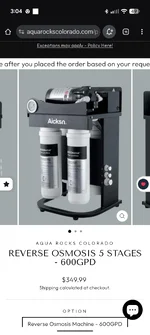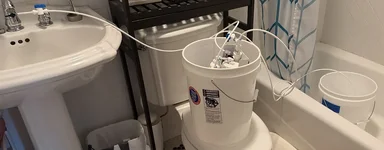
I recommend running RO just because it gives you full control over your water parameters. Even if your tap water looks good based on a few parameters in the water test, there can be issues associated with using it. My tap water has no GH and 2 dKH and I thought it was perfect after using really hard Dallas, Tx tap water for years. My tank ran with no issues for 1.5 years and looked great until it all went bad. It turns out my tap water is treated with sodium carbonate, causing 40 PPM sodium to be in the water consistently with a pH of 9.3 coming out of the tap. This wasn't an issue at first because my tank had aquasoil. Once the aquasoil stopped buffering, I spent a year trying to understand why my tank was doing horrible after doing super well. Switching to RO partially fixed the issues, but the tank still wasn't perfect. It seems like the soil absorbed something in the tap and that was contributing to the issues. I wish I had started with RO because I wouldn't have wasted an entire year trying to figure out what was wrong and I probably wouldn't have had to get rid of a lot of aquasoil. I never thought about using RO before this because I used it successfully for many years, but this situation made me realize it's better to just start with RO if its possible.Ro a good investment or am I over thinking it?
Rocco's setup is great, but I'm going to provide an alternative and lazy method that works when the tank and RO storage are on the same level. I'll also provide a parts list just for reference. There are two key parts of my method.Has anyone documented their setup? Like a guide or advice on connecting barrels, heating, plumbing, pros/cons of re-mineralizing in a barrel vs tank?
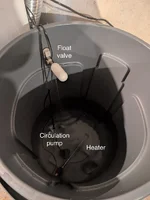
RO storage bucket with a float valve, heater, and circulation pump
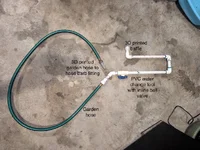
DIY tool for removing and adding water
1) I turn on the faucet that has my RO container and let it run until it turns off on its own from the float valve/auto shut off.
2) When I want to change my water I plug in the heater and circulation pump
3) I put the water change tool into the tank, open the ball valve, and drain water into the sump in my basement. The tool was built so it would remove 70-80% of the water in 45 cm high tank.
4) While the water is draining I move my ~1000 GPH submersible pump into the RO bucket
5) After the tank is drained I attach the tubing for the submersible pump onto the hose barb on the water change tool.
6) I plug in the submersible pump and let it go. Once the desired water level is reached in the tank I turn the ball valve to off
7) Unplug the submersible pump. Put it in it's storage container. Turn on the RO faucet to start refilling.
8) Remineralize and front load macros in the tank.
This entire process takes 25 minutes for a 120P including remineralization.
Parts list:
RO system
44 gallon Brute trash can
Heater (only needed if your water needs to be preheated)
Circulation pump (only needed if you'll remineralize/front load in container or need to preheat)
Float valve and auto shut off
Submersible pump
3/4" tubing to connect submersible pump to water change tool
PVC pipe and fittings to make your water changer
Garden hose
3D printed baffle (designed by me and can share the model with anyone that wants it)
3D printed garden hose to 3/4" hose barb fitting (designed by me and I can share with anyone that wants it)
Remineralization in tank vs in container
I remineralize in tank because I use RO water for my 150+ houseplants and other small tanks. Since they all require different water, I don't want to remineralize water in the RO storage container.